Southwest Corridor Park
Gardening in the Southwest Corridor - Weed or Flower?
A common topic of conversation among gardeners - is this a weed or flower? Is it useful or not? Here is a sampling of plants found in the gardens around the SWC along with thoughts on what to do. In general: (1) If you are planting or weeding, you can welcome native wildflowers wherever they make sense; (2) Don't plant invasive plants; (3) if you have volunteered to help with weeding and aren't sure what is a weed and what is a flower, focus on pulling a few well-known weeds such as those featured here; (4) Talk to your gardening neighbors about what to plant, what to keep and what to remove.
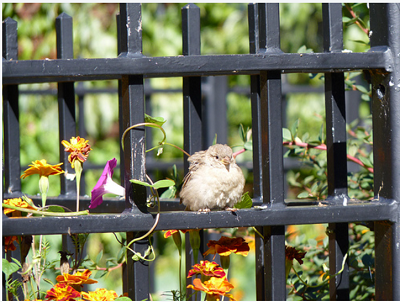
Morning Glories -- A beautiful blossom, but surprisingly, morning glories have become an invasive problem in the park because they grow wild and vine around shrubs and other plants. Please do not plant them in SWCP gardens.
|
|
|
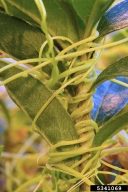
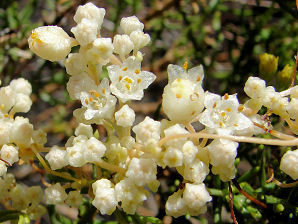
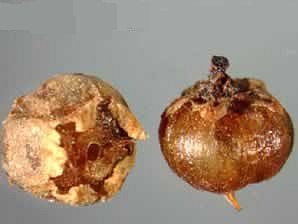
Japanese Dodder -- Japanese Dodder is a leafless vine that wraps around plants and actually embeds itself into the stem. It is wildly invasive. If you see it, cut back the plant that it is on (or pull it out completely). Put it in the trash, not the compost. It's important to catch this before it seeds.
|
|
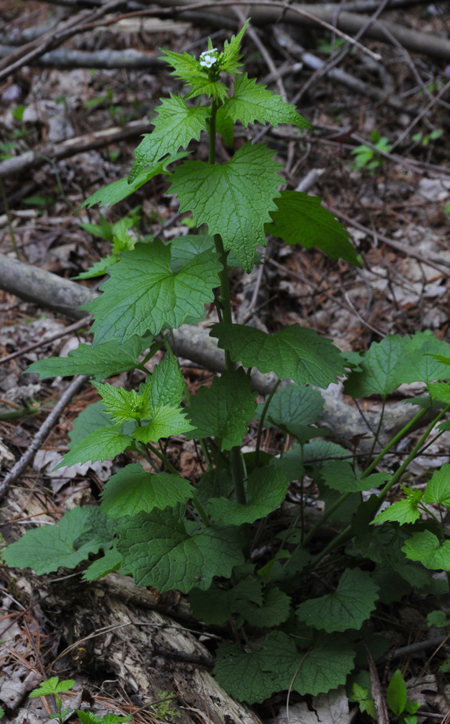
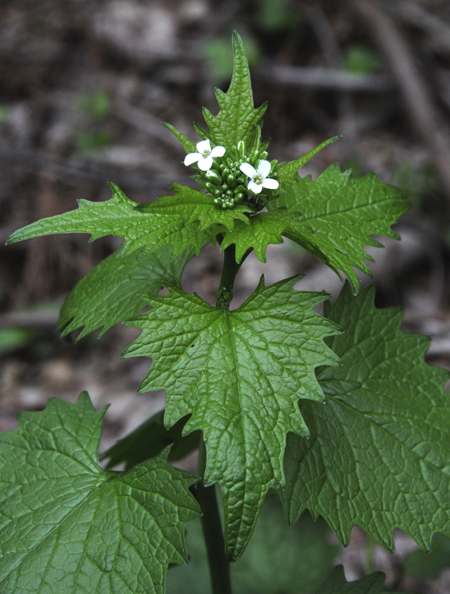
Garlic mustard -- originally imported as a culinary herb -- has become a serious invasive plant that changes soil chemistry by locking up the phosphorus that other plants need. Pull it up by the roots and carefully discard (don't compost) it. Recently featured in the Boston Globe Gardening column as the "Worst New Invasive in Bloom Now."
|
|
|
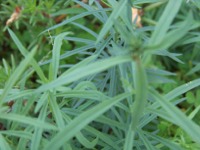
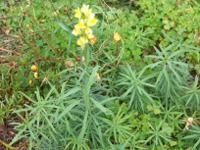
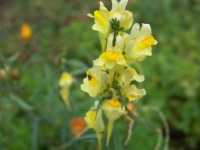
Butter and eggs (Linaria vulgaris Mill.) grows prolifically around the Southwest Corridor and most of us regularly weed it out of our vegetable and flower gardens. However, at the end of the summer, it surprises with a very pretty yellow flower. So yes, it is a weed, but if you leave some in a spot that is short of other plants it won't do much harm and it will bloom late in August. But don't encourage it, because it is listed in some states as an invasive: http://plants.usda.gov/java/profile?symbol=livu2.
|
|
|
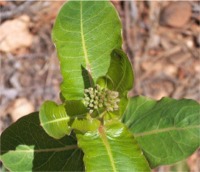
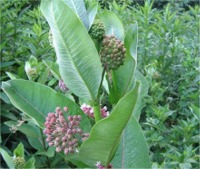
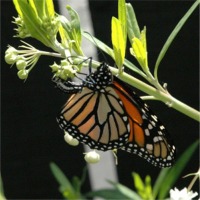
Milkweed is essential to the lifecycle of the monarch butterfly, and it is planted deliberately in the SWC butterfly garden. If you find it in your garden, and if it is in an out-of-the-way spot in the back of the garden you can leave it as a welcome to butterflies. Otherwise, you can remove it as needed. (See link #4 on our the SWCPC Section 1 map for more information about the butterfly garden.)
|
|
|
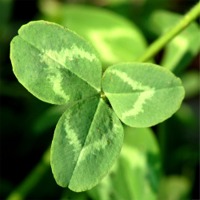
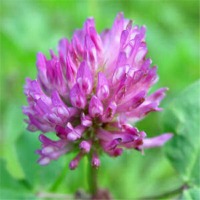
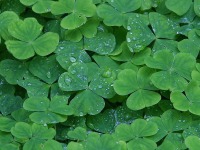
Clover grows everywhere, and tends to crowd out other plants in a garden. It is, however, useful for fixing nitrogen in the soil. And red clover, the larger variety common to this area, is a good butterfly plant. Yes, it is a weed, and we generally remove it, but it is okay to leave some in places where you can welcome it.
|
|
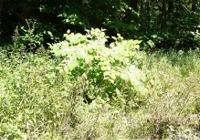
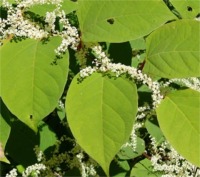
Knotweed is an extremely invasive plant, and must be removed carefully. If knotweed roots are left alive underground, the plant will spread and become more entrenched. If it is found, the first step is to cut off the top of the plant and dispose of it (not in compost). The next step, if possible, is to remove the roots.
Elder flower (Bishops' Weed) has started to be a problem.... very invasive.
Dandelions should be removed early, before they go to seed, and before the roots become too deep. (Some gardeners enjoy the color, and let them bloom, but then remove them before they go to seed.)
Carpet weed is a weed that is easy to remove by pulling it out, since it has short roots. As the name suggests, it is a low-growing plant which carpets the ground and crowds out other plants, and so it is good to remove it.
|
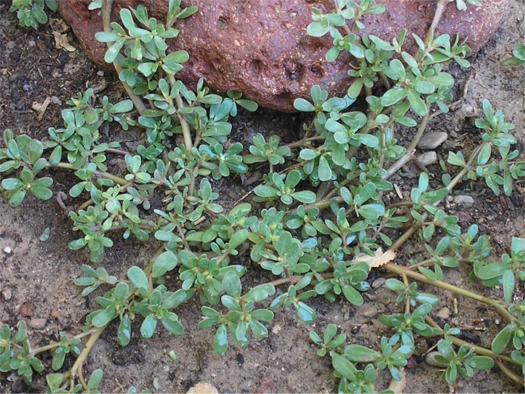
Purslane (Portulaca oleraceea) is a weed, but is also edible and is valued as a source of vitamins and Omega-3 fatty acids. It is reasonably easy to remove from gardens by pulling it out.